SPSD10 救星戦隊ワクセイバー特别篇前編:性感女英雄濕身激情救援!
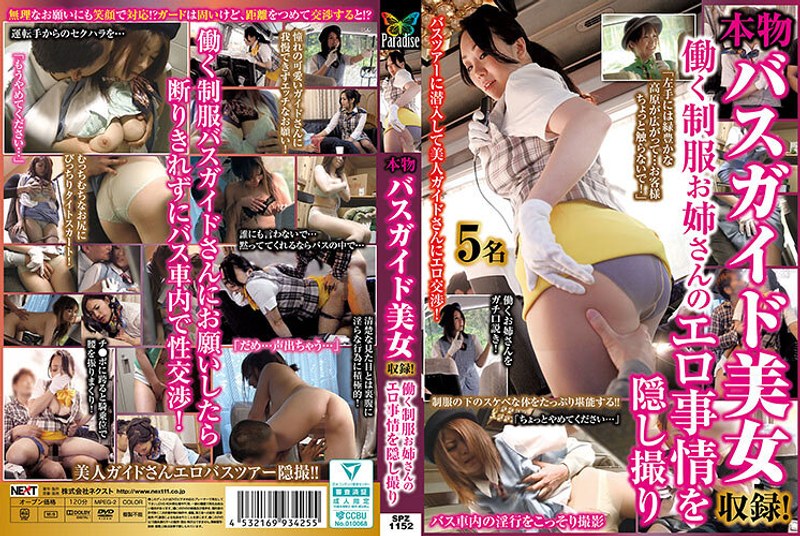
SPZ1152 制服巴士导游美女实拍!偷窥职场姐姐隐藏情欲秘事
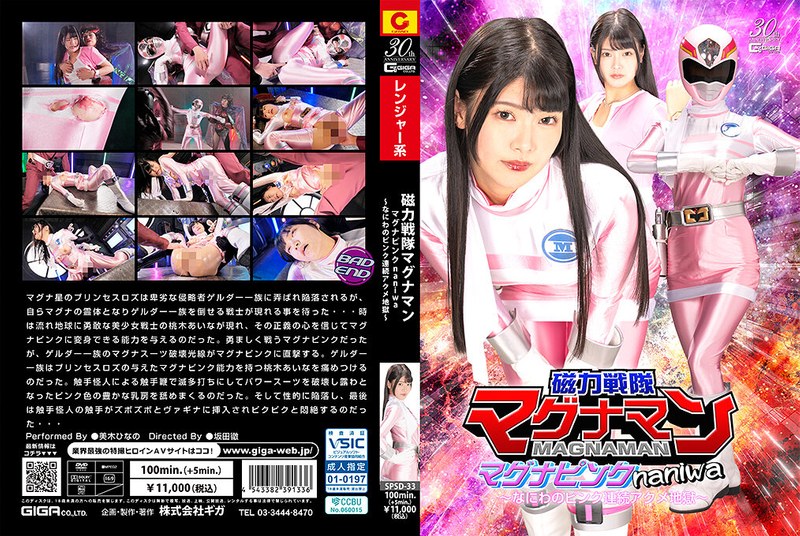
SPSD33磁力粉红战士难波盛宴:粉红女郎连续绝顶高潮地狱
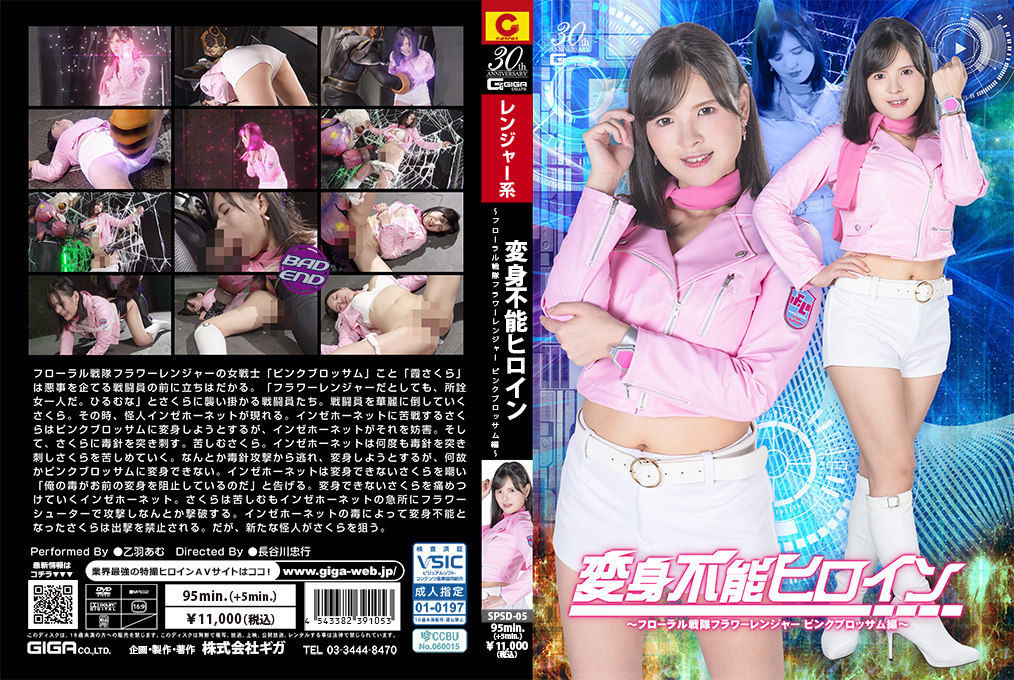
SPSD05 变身失败女英雄凌辱实录!花之战队粉红战士娇躯惨遭玩弄,花蕾蜜穴彻底绽放~
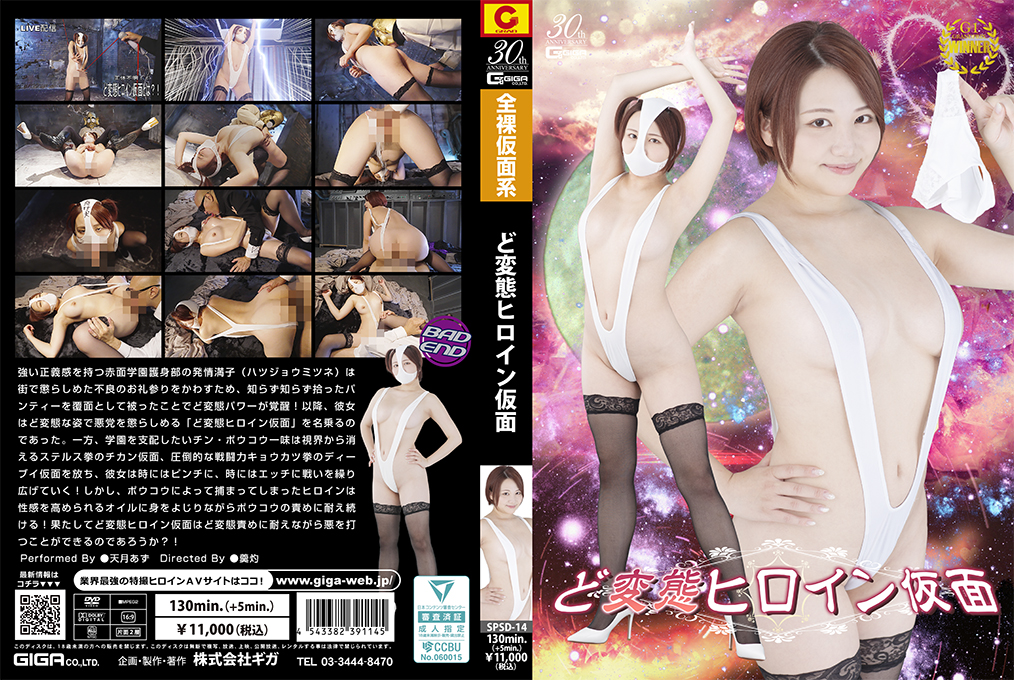
SPSD14 变态假面女英雄的疯狂性爱盛宴
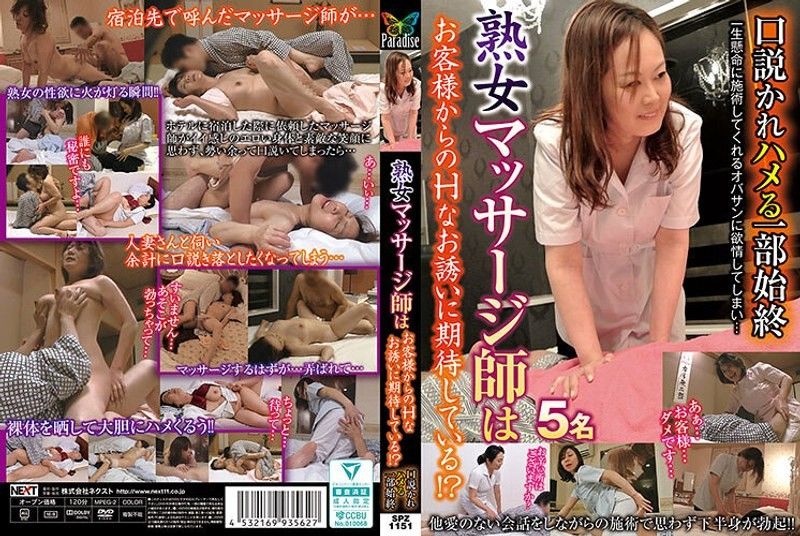
SPZ1151 熟女按摩师暗盼顾客性挑逗!?被搭讪后激情缠绵全记录
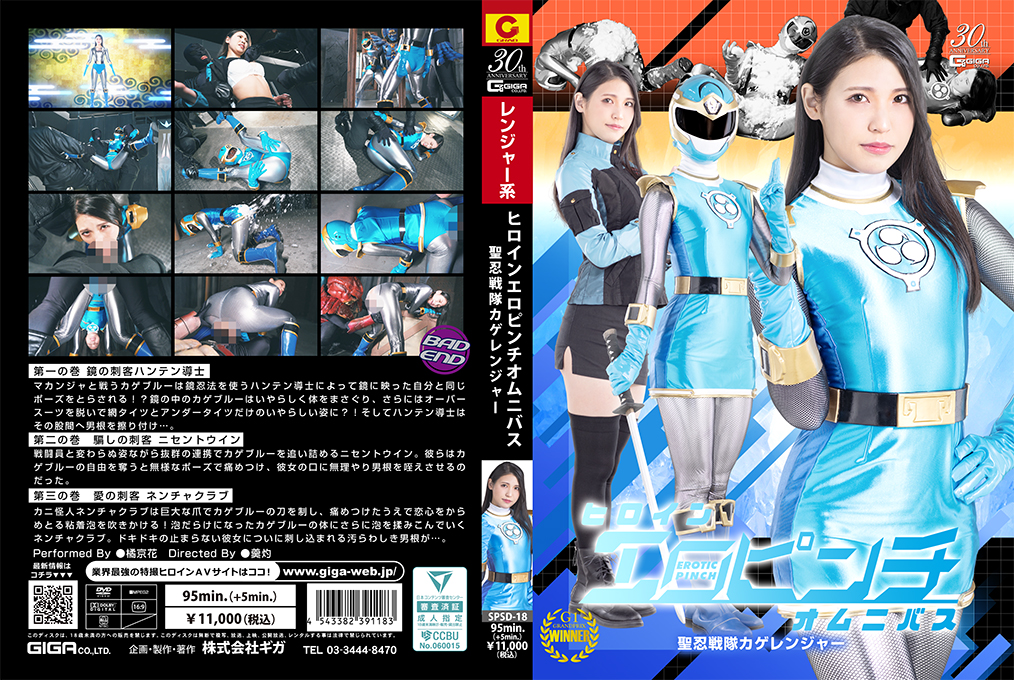
SPSD18 圣忍战队影连者:绝伦情色危机!多位变身女战士轮番侵犯合集
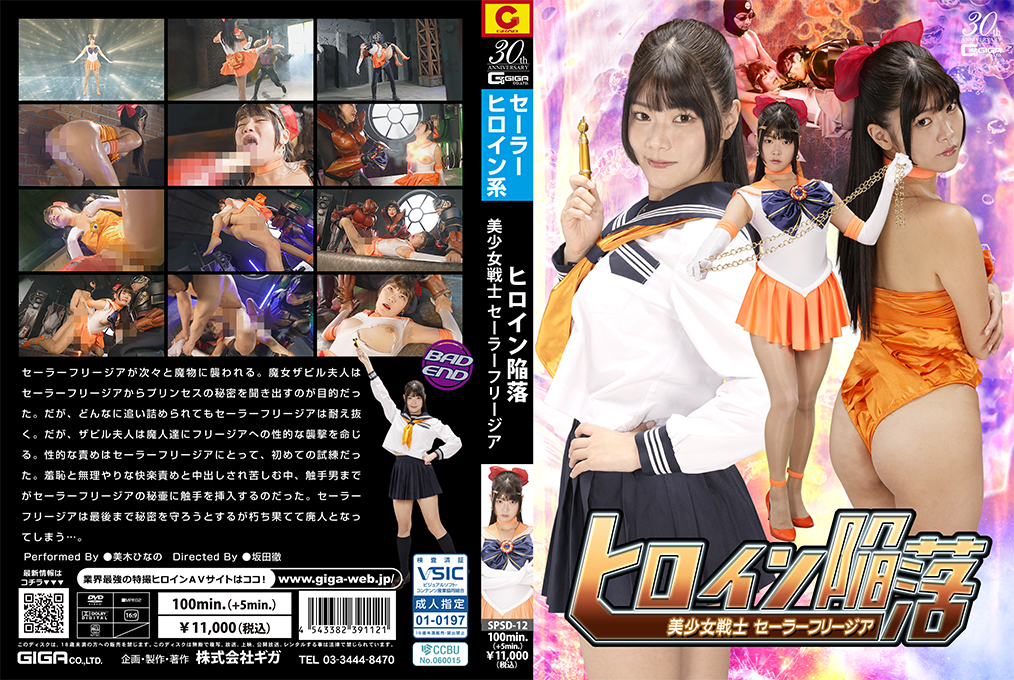
SPSD12 美少女战士水手服Freesia沦陷!绝色女英雄惨遭调教,娇喘呻吟彻底崩坏
单亲妹妹回娘家献初夜!产后处女身再遭亲哥夺取[START267]矢埜愛茉
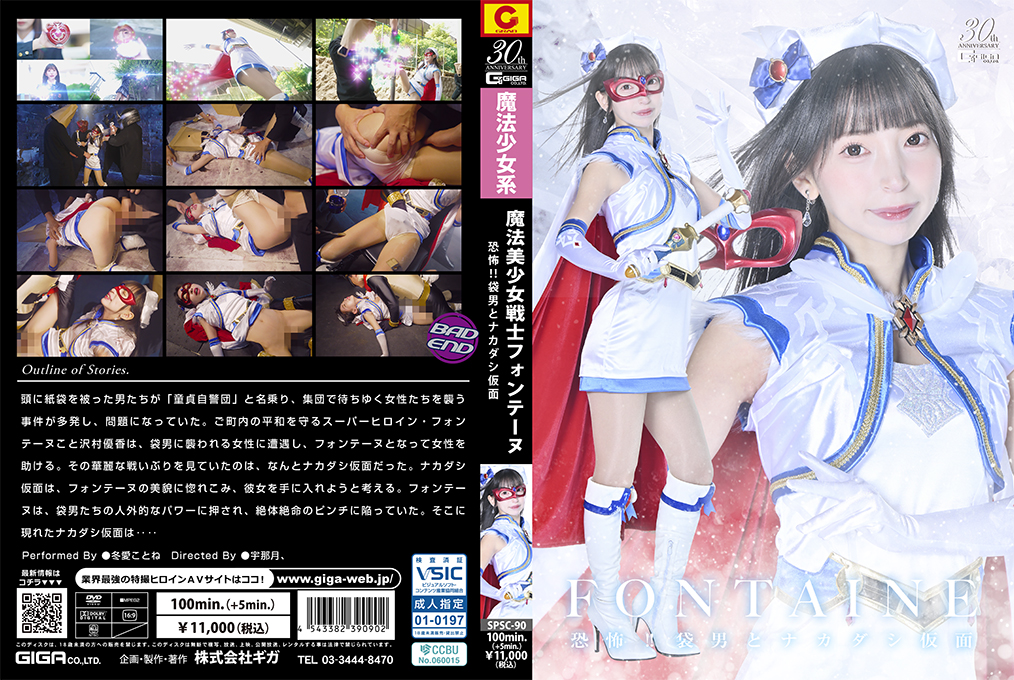
SPSC90 魔法美少女战士枫丹惊魂!袋男与内射假面双重侵犯
SPSD15 魔法美少女枫丹惨遭地狱追击!疯狂活塞抽插到崩溃
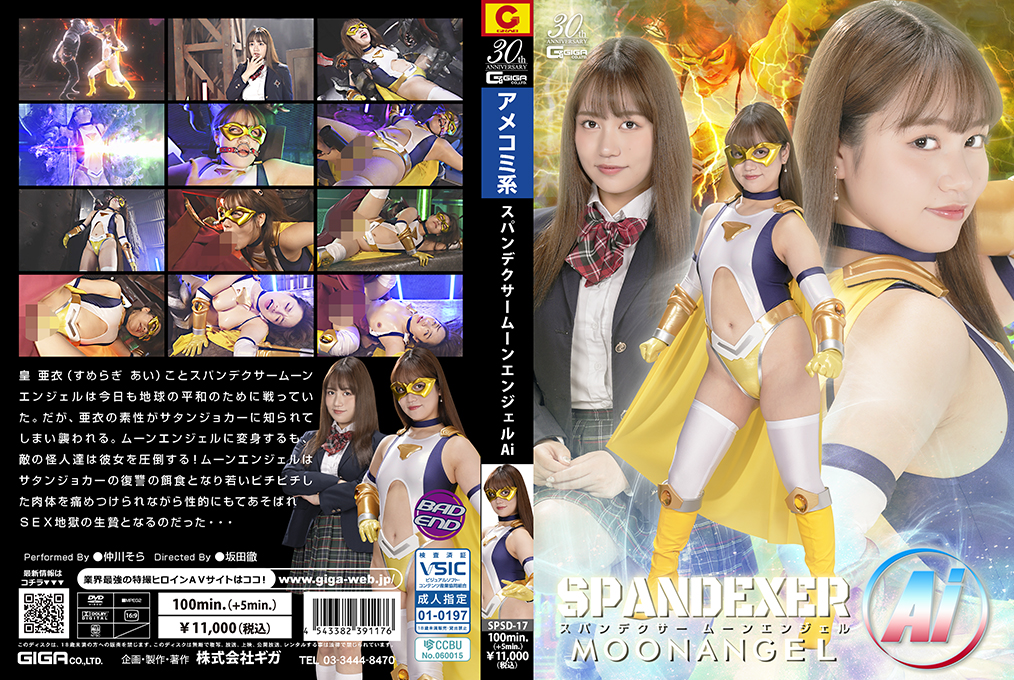
SPSD17弹性精灵月天使爱:紧身衣真空上阵 极致诱惑呻吟
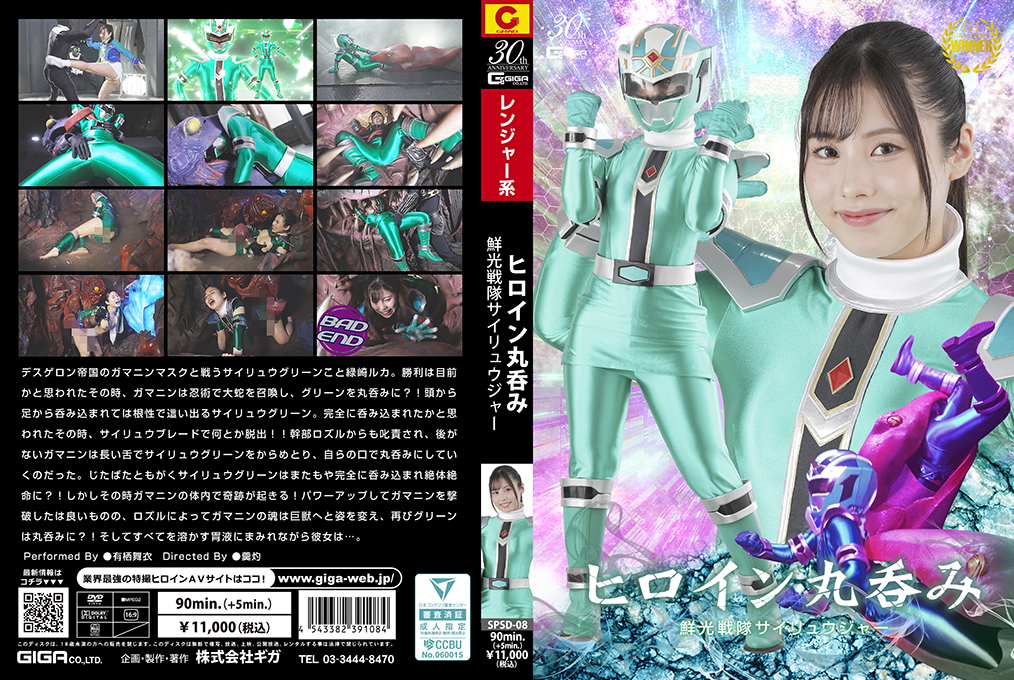
SPSD08 鲜光战队女英雄深喉吞巨龙 整根没入饮精
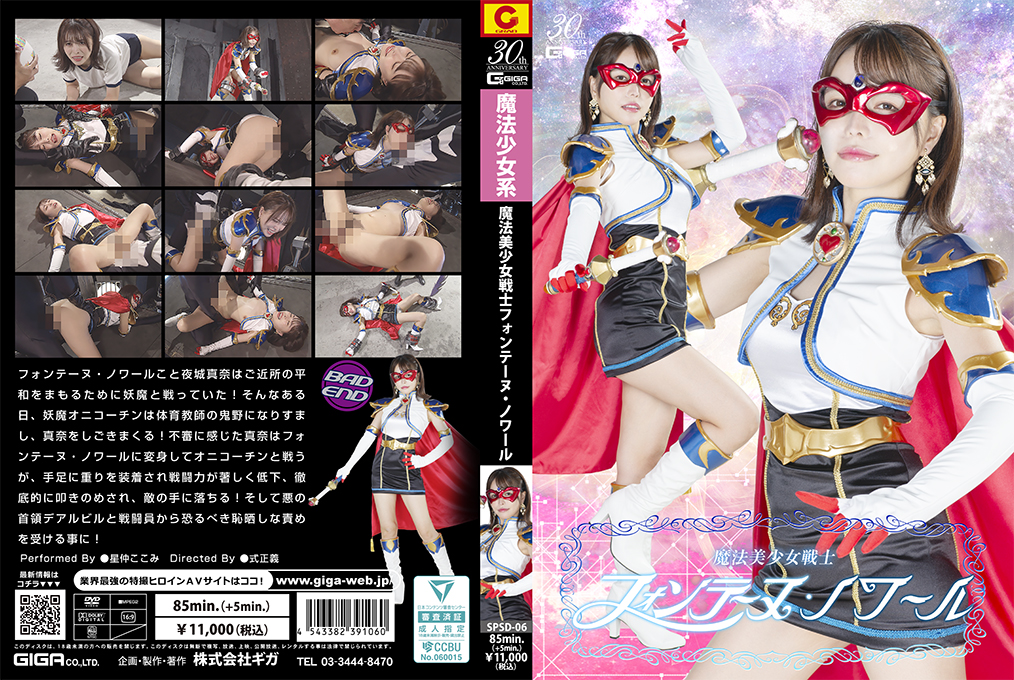
SPSD06 暗黑魔法少女枫蒂诺瓦尔:魔力耗尽惨遭轮奸高潮失禁
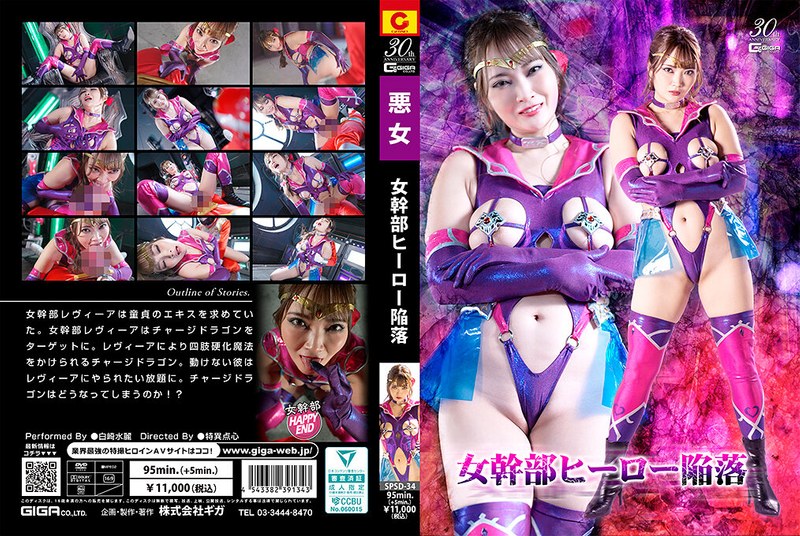
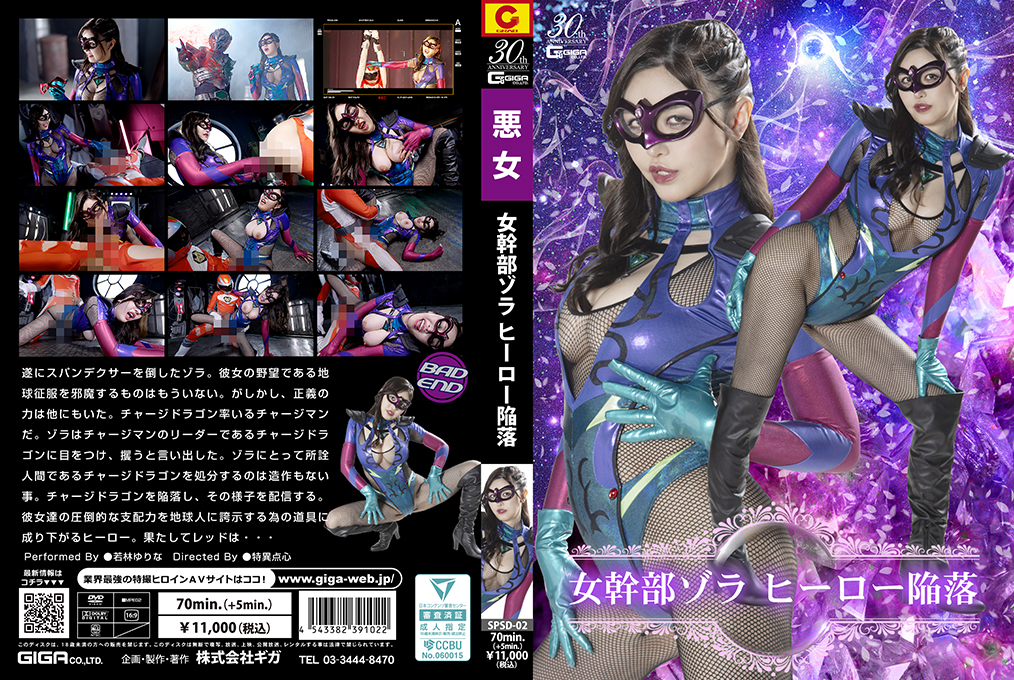
SPSD34:冷艳女干部英雄惨遭沦陷,高潮调教全记录!
SPSD29敵方幹部高超性技征服宇宙天使:高潮連連沉淪的女主角特別篇
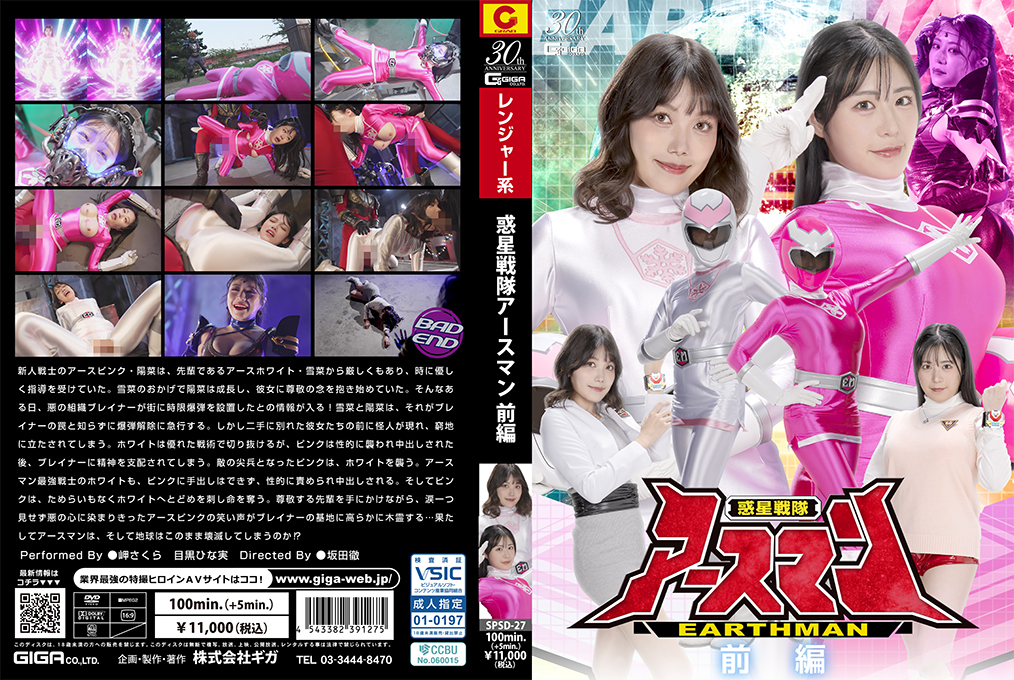
SPSD27 地球人行星战队前篇:美少女战士制服诱惑多人轮战
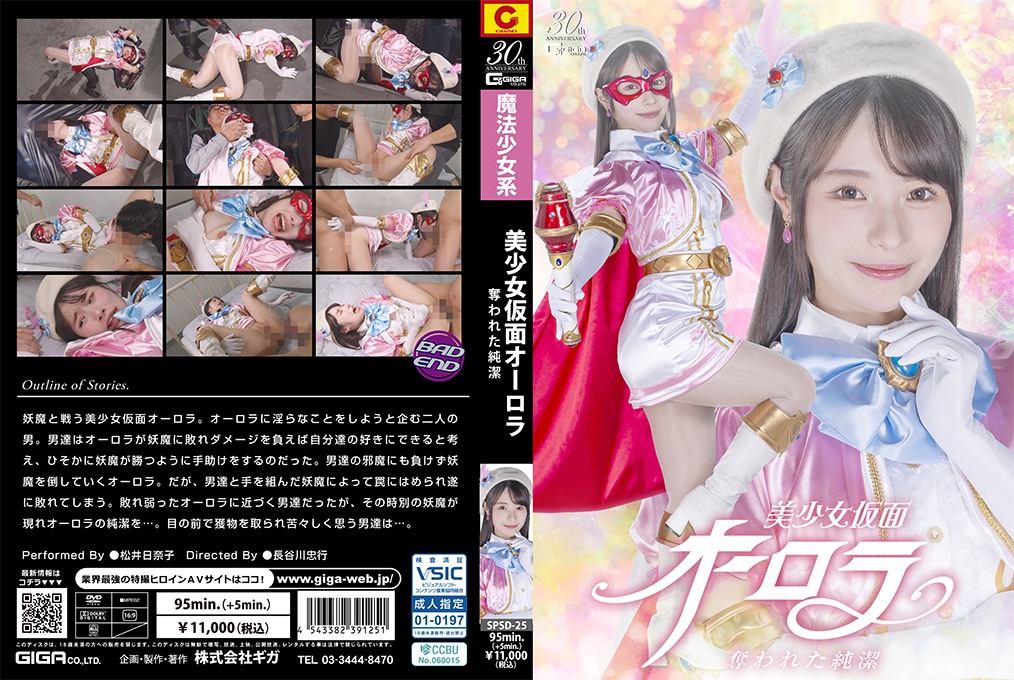
SPSD25 美少女假面奥罗拉惨遭破处!纯洁处女之身被无情掠夺
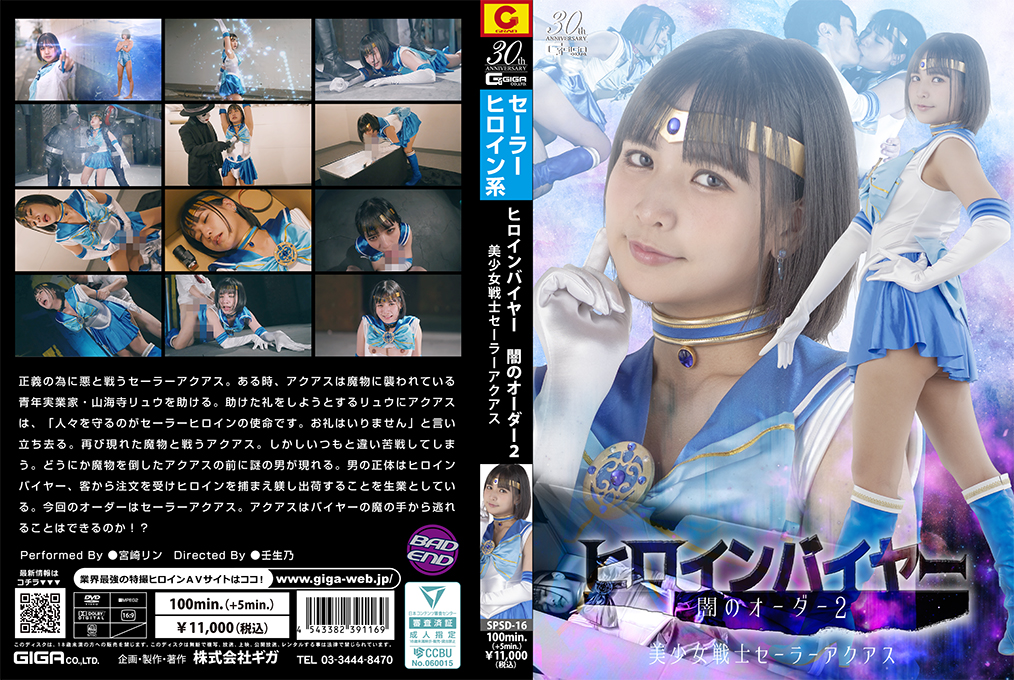
黑暗订单第二弹:美少女战士水手阿库亚惨遭胁迫调教 SPSD-16
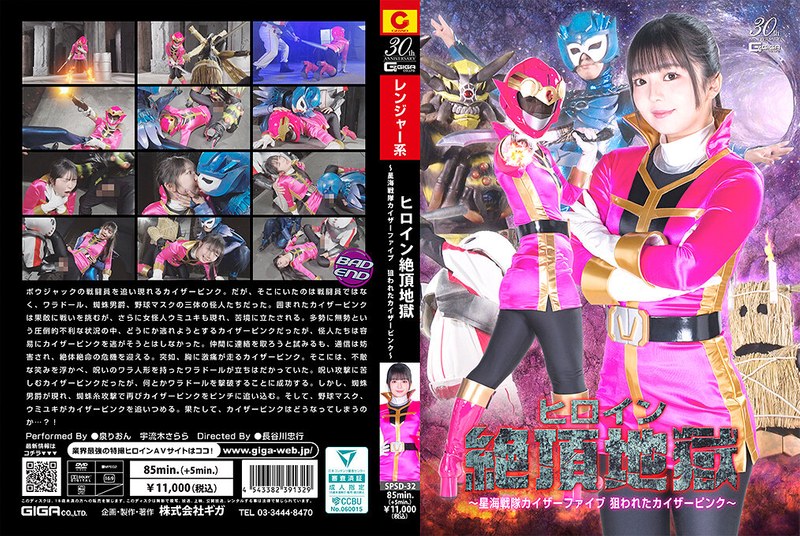
SPSD32 星海战队凯撒粉红惨遭毒手!女英雄沦陷高潮地狱连续绝顶
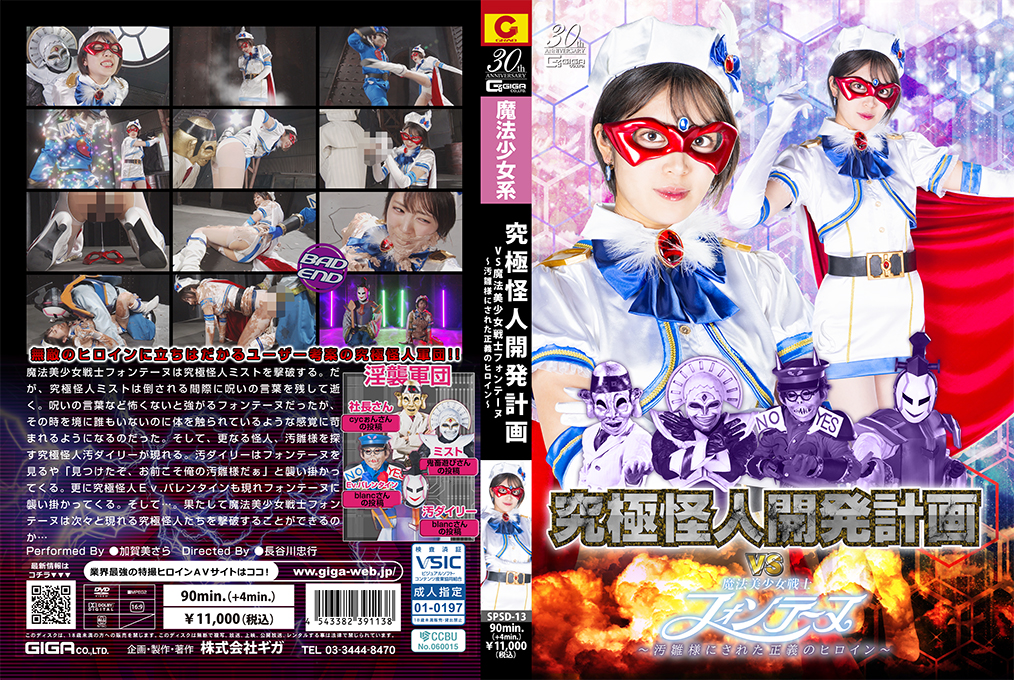
SPSD13 终极怪人开发计划VS魔法美少女战士枫丹:正义女英雄惨遭凌辱调教,沦为性奴玩物!
SPSD09终极怪人开发计划:强制调教宇宙天使!
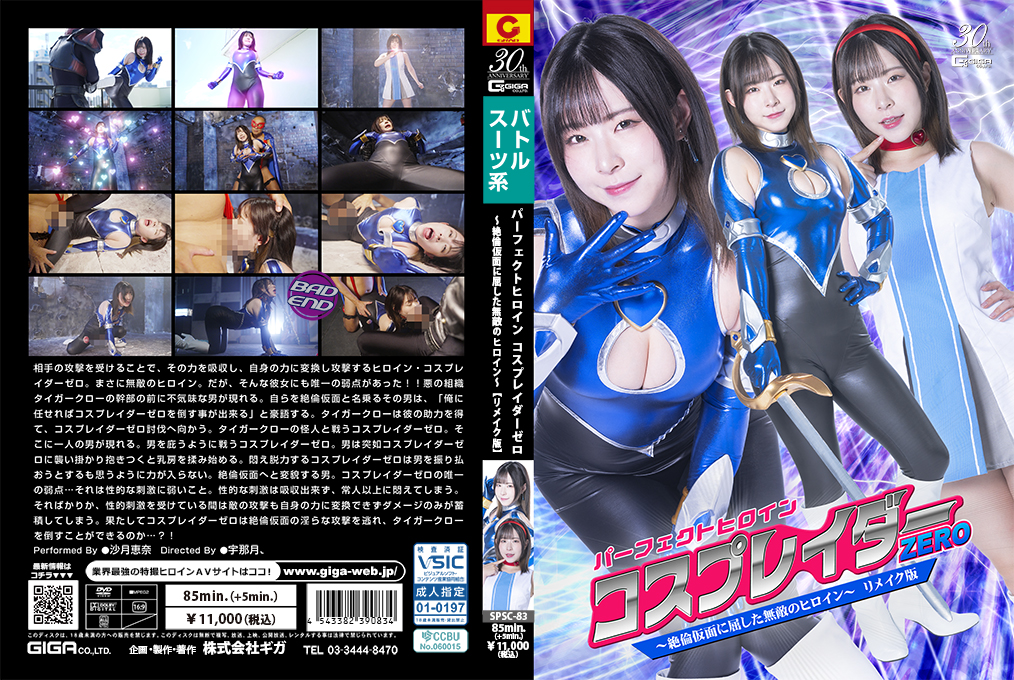
SPSC83重制版:无敌完美女英雄零号惨遭绝伦假面征服凌辱!
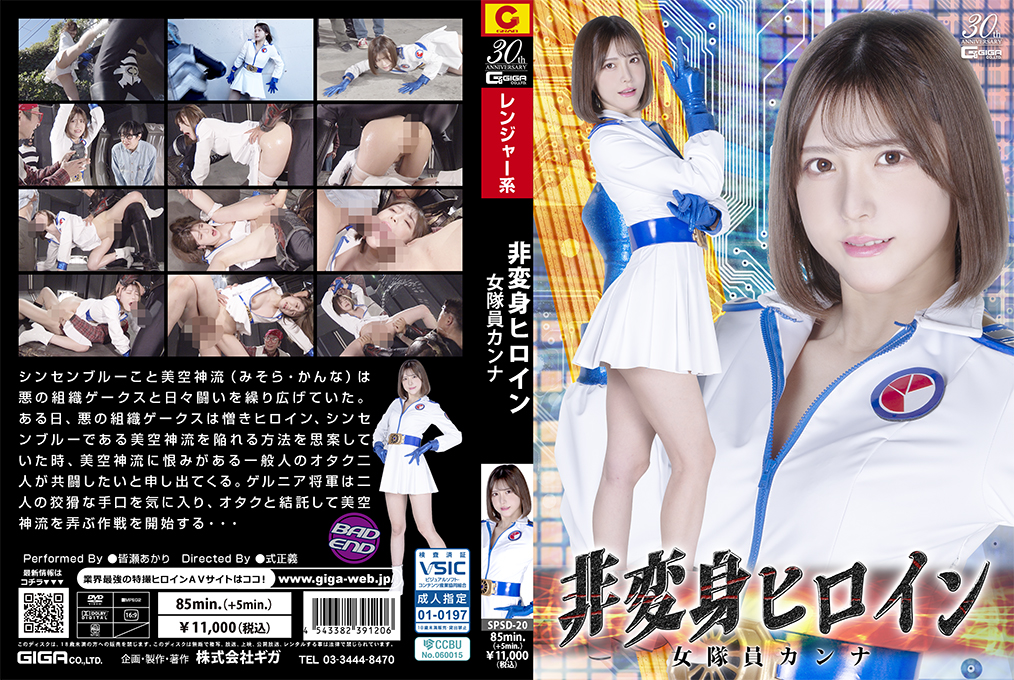
SPSD20 不变身女英雄队员カンナ惨遭凌辱!被敌人捕获后疯狂侵犯至绝顶!
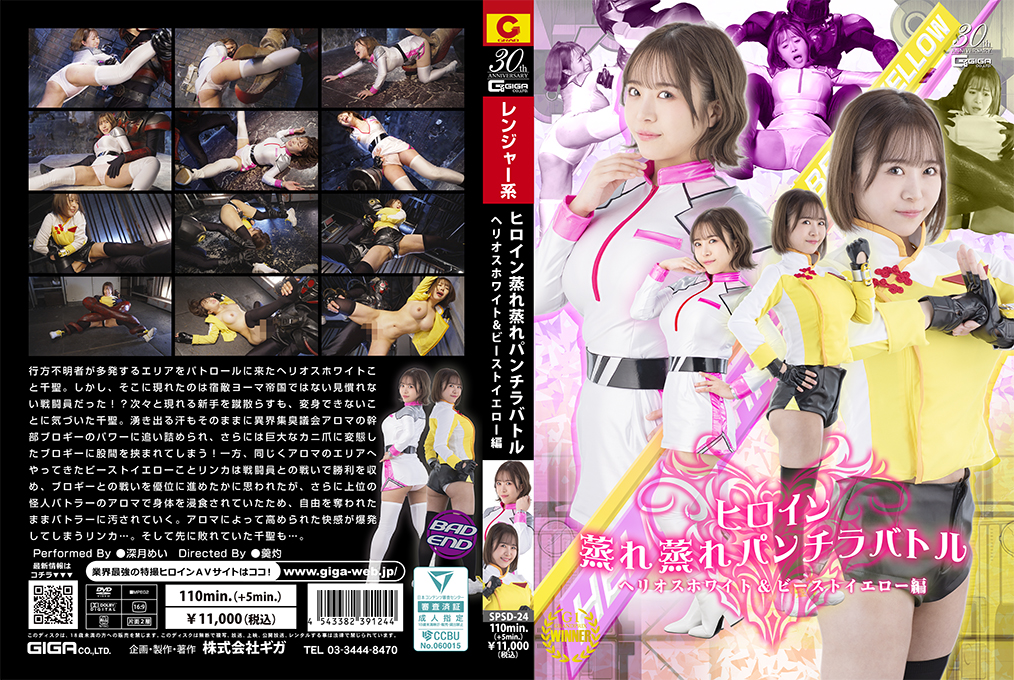
SPSD24 双女英雄汗湿激战!Helios White大战Beast Yellow 内裤走光诱惑篇
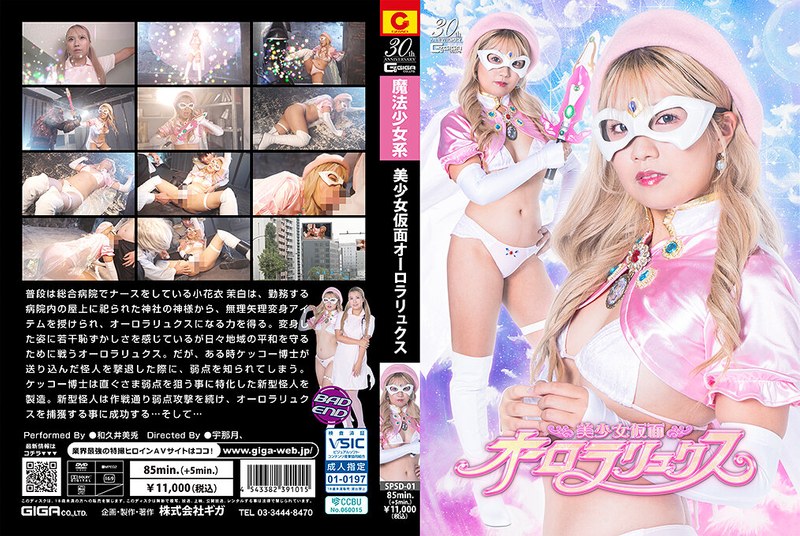
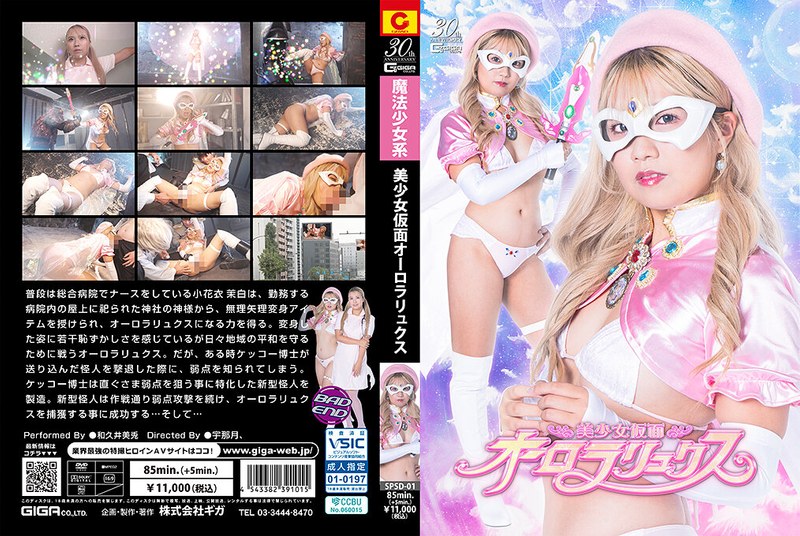
SPSD01 美少女假面奥罗拉·琉璃丝:纯欲战士的淫堕觉醒
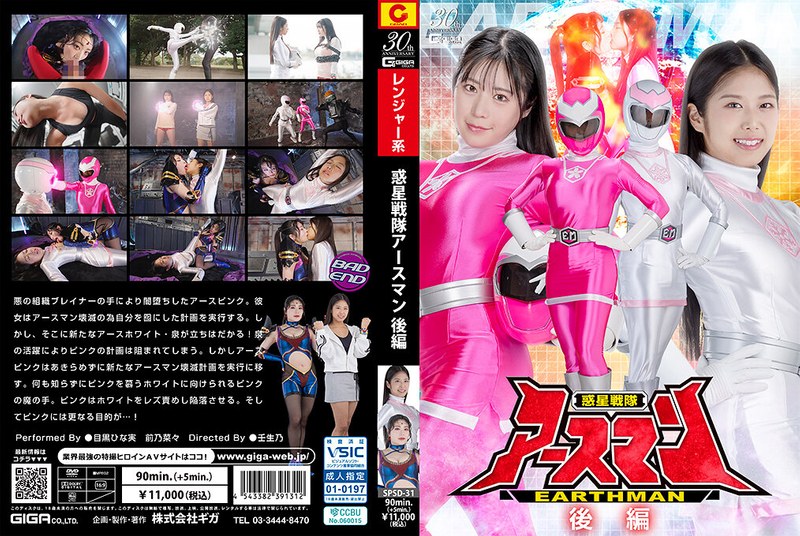
SPSD31 星球战队后篇:多位制服美女战士的激战群交盛宴!
SPSD01 美少女假面欧若拉·琉克斯の淫乱交尾:假面崩坏的绝顶高潮
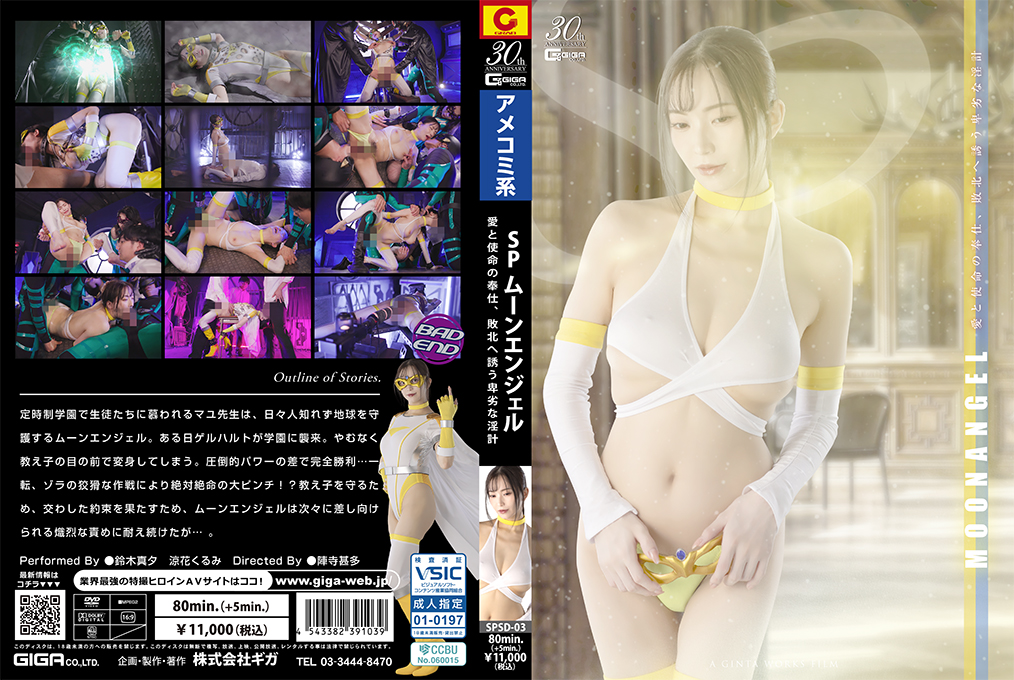
SPSD03SPMOONANGEL 爱与使命的献身?卑劣淫计陷阱引诱你彻底败北!
SPSD02 美艳女干部佐拉设下桃色陷阱 正义英雄彻底沉沦淫欲
SPSD26救星战队瓦库塞巴特别篇后篇:性感女战士终极高潮肉搏战!
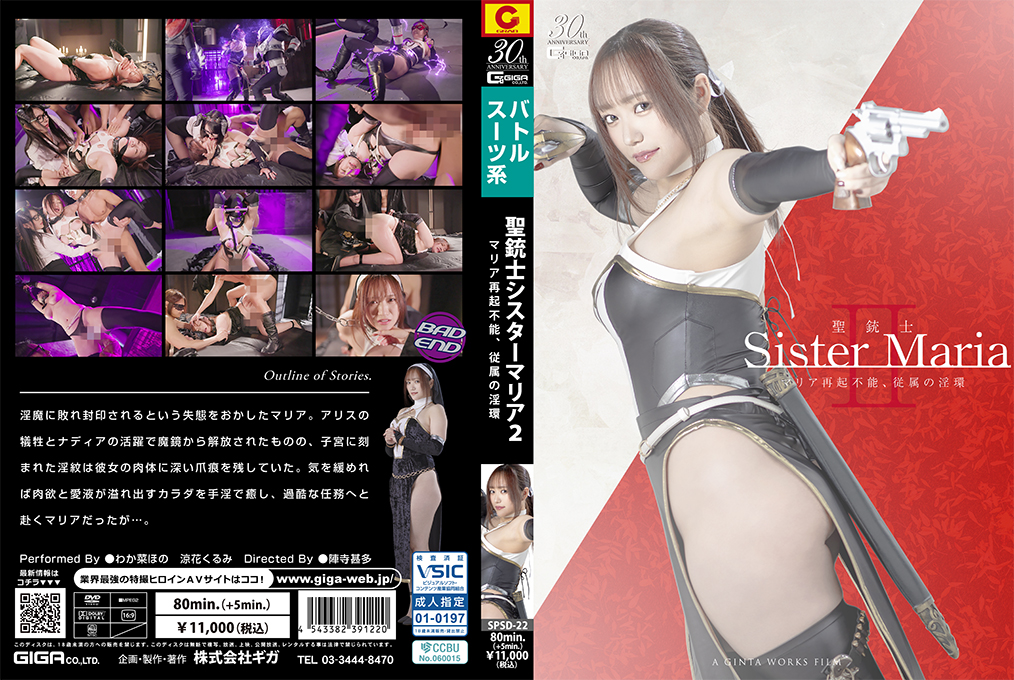
SPSD22 圣枪修女玛利亚2:玛利亚彻底沦陷,臣服淫荡之环
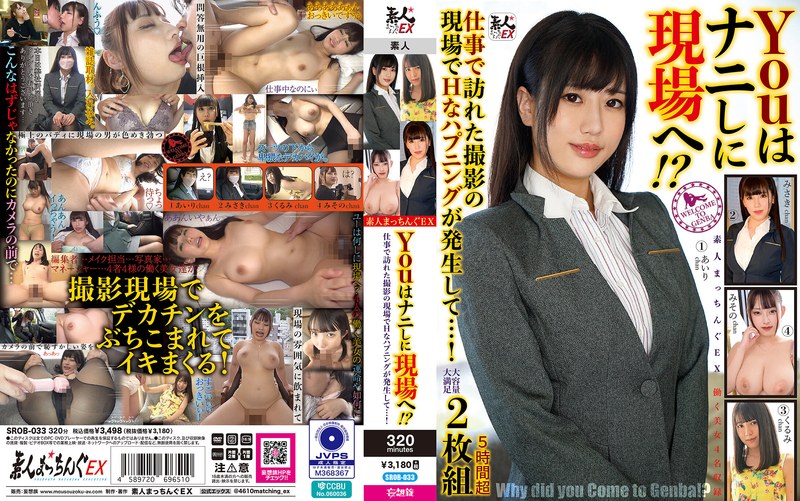
SROB033 素人激情配对特别篇:清纯少女为何主动献身拍摄现场?!
3D悟老师变态私密萝莉调教视频,自制珍藏全网疯传!
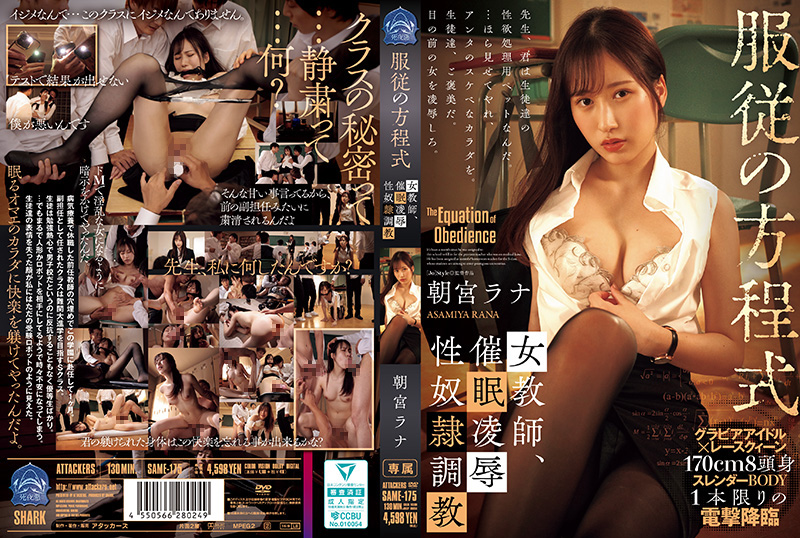
SAME175 女教师深陷服从方程式!催眠调教凌辱实录,彻底沦为性奴隶
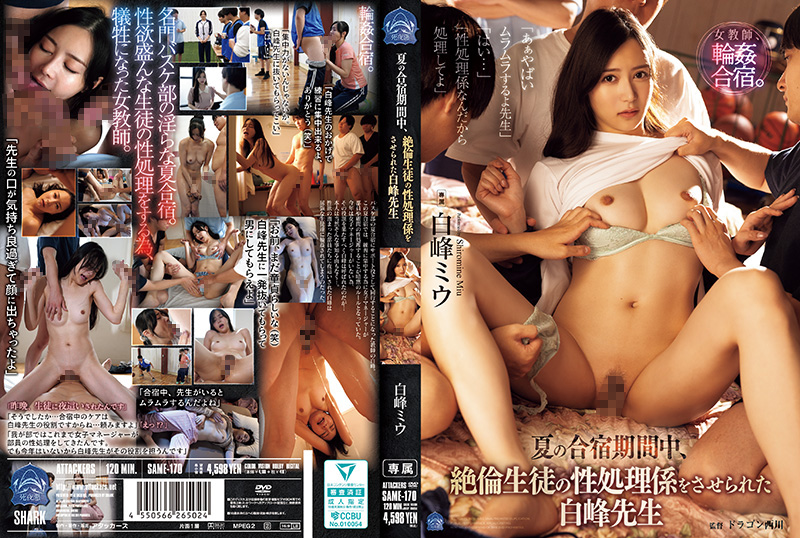
SAME170 夏日合宿高潮,白峰老师被迫为精力旺盛学生提供性服务
[人妻母乳喷射] 欲求不満な哺乳期ママの溢奶性交 汗だくで乳摇れる激ハメ撮影
SONE724 七ツ森りり 高傲女教师调教处男「你是处男吧?」越虐越爽的性爱教学
父亲重伤在旁,眼睁睁看我被疯狂凌辱![SAME179]
CM146 清純美少女林妙可淪陷實錄!淫亂墮落高潮全記錄
CM145清纯少女戚小怜以身相报,主动献身任君采撷
CM143 女王调教白晶晶:强制高潮惩罚
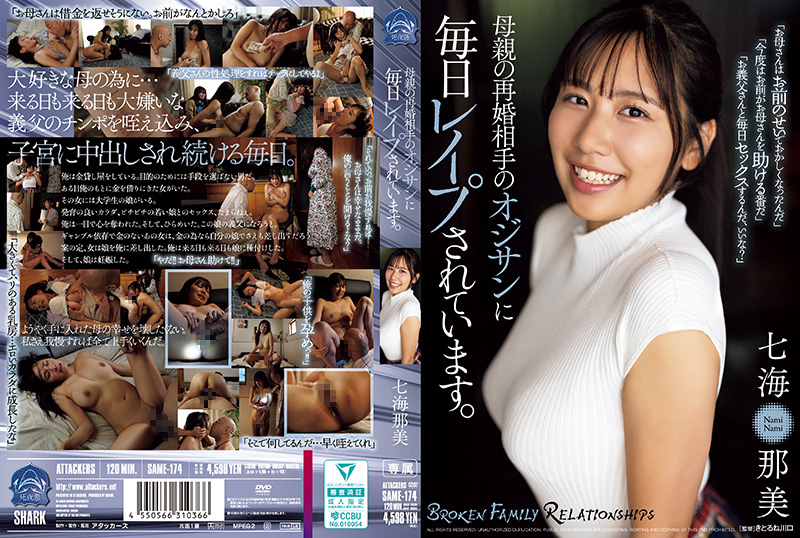
SAME174 继父每日强奸我 母亲再婚对象的猥琐大叔持续侵犯
CM144 人妻出轨实录!被男闺蜜疯狂内射 林凤娇
[反差婊补档]文藻大一母狗新生与男友性爱影片外流!清纯学生妹床上淫叫实录
水果派系列:巨乳模特姐姐的火热诱惑解说
[反差婊Xrein]骑乘位深喉疯狂输出 射精颜艺高潮的神级反差婊
[内部泄密]欧美骚货伊贝沙深喉口爆颜射吞精实战教学
[反差实录]艺术系校花杨豆豆的兼职秘密:白天清纯学生妹,夜晚骚模任人拍!
乳汁丰盈的哺乳期少妇,性感诱惑
[反差婊档案]乔佳秘密泄露!渣男分手后疯狂报复前女友:内射调教泄愤实录
SVMGM036魔镜号:硬派软萌开衫女大学生挑战巨根假阳具,颤抖着高潮迭起!
SUPA648 真实素人全裸出镜!火辣性感姿势第四弹,裸体诱惑让你欲罢不能!
SVSHA033 新生羞耻体检!春季发育湿身诱惑,春光乍泄身体检查
SCDC003 迷路娇小少女假保护真侵犯!厕所强奸后竟遭五人组队轮番凌辱!
SK170高级男士会所偷拍10人特别篇:猥亵按摩服务中出内射隐藏选项
全网爆红神颜!反差女神汝酱 后庭开发の顶流双洞侍奉巅峰体验
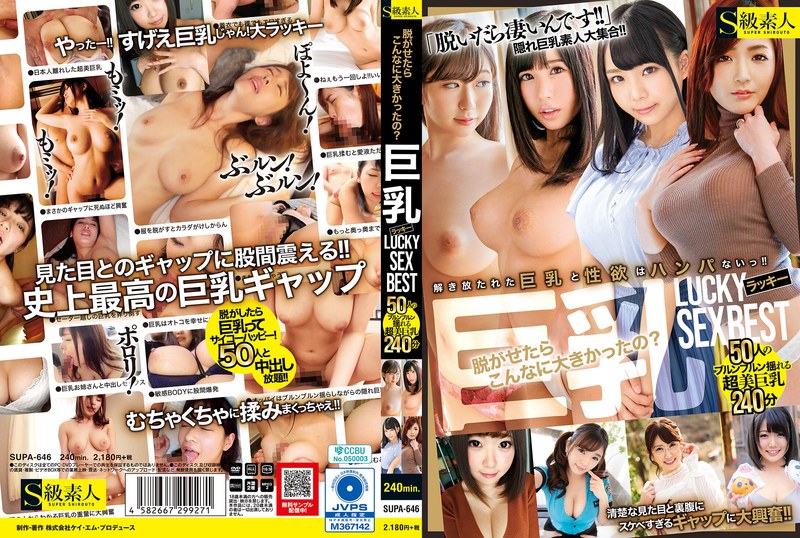
SUPA646 一脱惊人!爆乳震撼的幸运性爱盛宴
粉嫩小野猫车震遇剃毛巨屌炮友,操到骚穴抽搐连连求饶!
粉嫩少妇熟睡中遭褪衣抽插,蜜穴湿透呻吟不断!
极品美少女嫩穴飙水实录!跳蛋高频震动自慰高潮直播
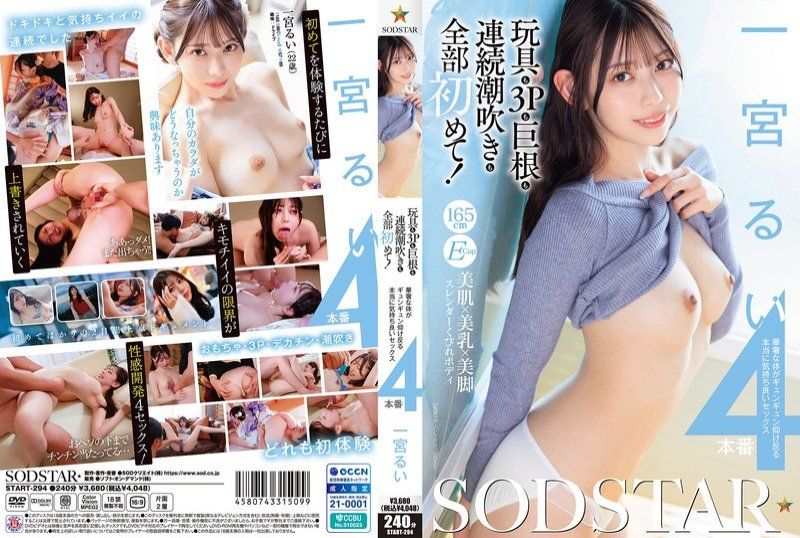
START294 娇小女优初尝多重刺激:玩具 3P 巨根 连续潮吹初体验!身躯疯狂后仰高潮迭起,爽到翻白眼!
拍摄现场反差母狗遭挑逗,淫水直流主动求战求欢!
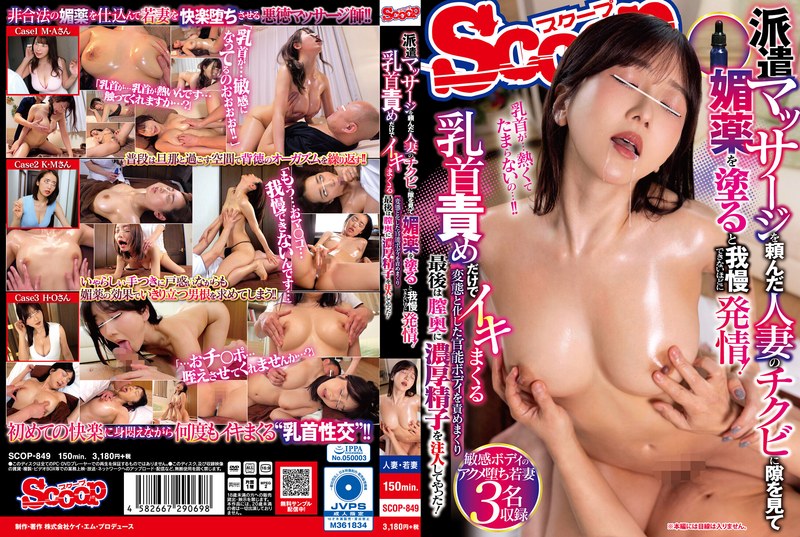
SCOP849 按摩师趁人妻不注意涂上媚药 奶头被玩弄到发情难耐
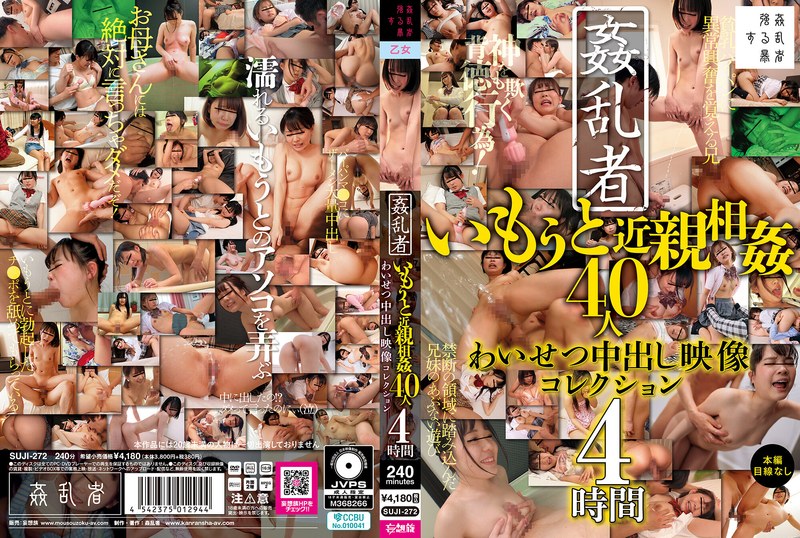
SUJI272妹妹40人乱伦大乱交 内射淫乱盛宴4小时超长合集
CM141 巨乳姐姐杨柳卡洗衣机困境,湿身挣扎任人摆弄!
CM136 何苗化身足球宝贝,欧洲杯主题性爱盛宴高潮迭起!
CM139 空姐私下兼职肉体服务 萧蔷放纵实录
粉嫩少妇海景房阳台激情口交后入,床上开裆丝袜骑乘抽插高潮迭起
CM140爆插办公室OL美樱 强制调教高潮抽搐屈服性奴宣言
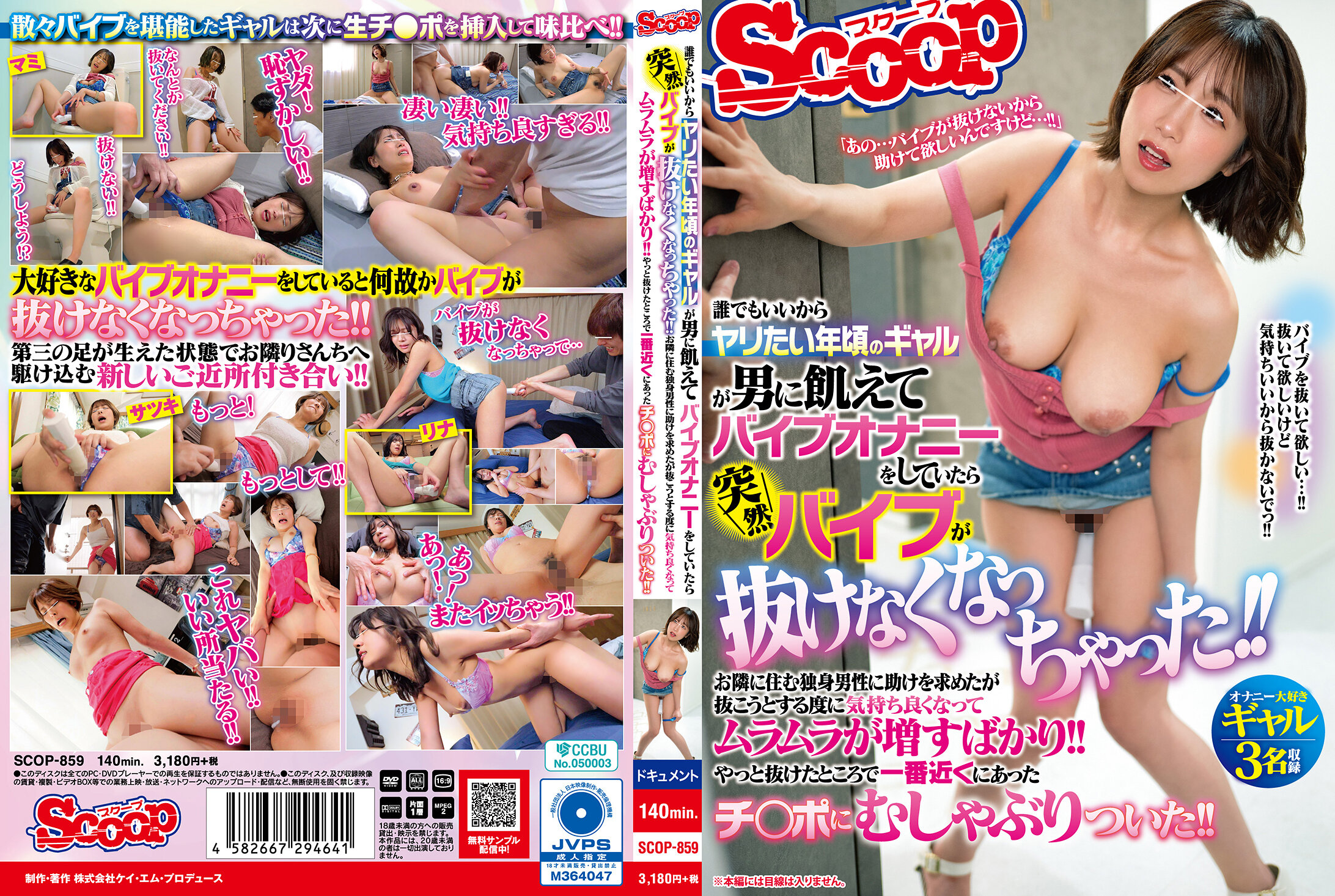
SCOP859 欲求不满的辣妹饥渴难耐!跳蛋自慰高潮迭起时竟被卡住…谁来救救她?
户外狂野战!娇小金发尤物激情四射
抠到高潮喷水!猛插狂抽停不下来!
肉感胖哥の逆袭中出し
风骚小妹带回家狂操一整夜,高潮迭起!
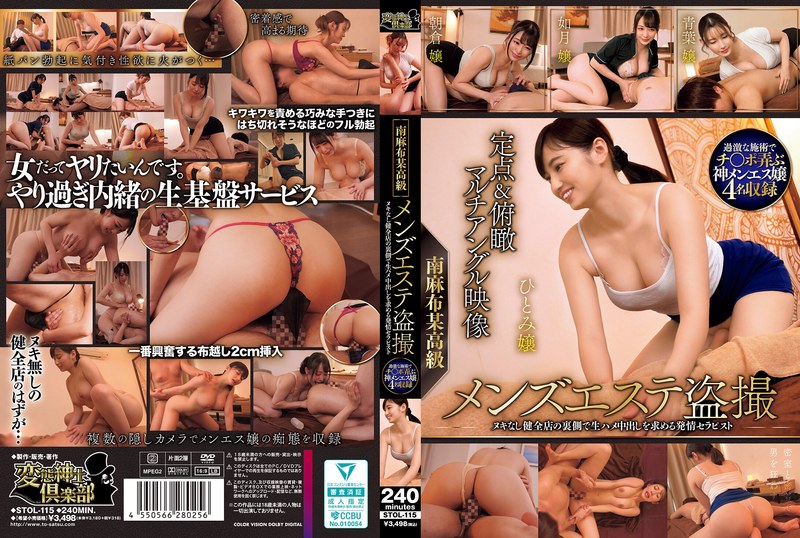
STOL115南麻布顶级男士会所内部偷拍!神秘贵妇按摩服务全泄密
饥渴人妻出轨成瘾!情人无套多体位狂操,老公偷吃她更饥渴
男友开关启动狂肏妹妹,浪叫抽搐高潮不断!
老板办公室无情调教3D性感秘书,羞辱玩弄到崩溃!
[绝品粉鲍]娇小红发尤物西迪克の双重插入监禁play 多人激戦编号001

![单亲妹妹回娘家献初夜!产后处女身再遭亲哥夺取[START267]矢埜愛茉](https://la.lashayu.com/upload/vod/20250806-1/dc794c4408d03a39bf18775e69c10546.jpg)




![[人妻母乳喷射] 欲求不満な哺乳期ママの溢奶性交 汗だくで乳摇れる激ハメ撮影](https://la.lashayu.com//20250805/fuZ3n454/1.jpg#err2025-08-06)

![父亲重伤在旁,眼睁睁看我被疯狂凌辱![SAME179]](https://la.lashayu.com/upload/vod/20250807-1/c4c75b49de6d012edbfd48b13a0d233a.jpg)




![[反差婊补档]文藻大一母狗新生与男友性爱影片外流!清纯学生妹床上淫叫实录](https://la.lashayu.com/upload/vod/20250807-1/a7d3502c591db2b288e59fcf2e3448c7.jpg)

![[反差婊Xrein]骑乘位深喉疯狂输出 射精颜艺高潮的神级反差婊](https://la.lashayu.com/upload/vod/20250807-1/363b833dfad5e18a26fc04d2c2b6af03.jpg)
![[内部泄密]欧美骚货伊贝沙深喉口爆颜射吞精实战教学](https://la.lashayu.com/upload/vod/20250807-1/426ed407f40e694b82a5423e4a10d906.jpg)
![[反差实录]艺术系校花杨豆豆的兼职秘密:白天清纯学生妹,夜晚骚模任人拍!](https://la.lashayu.com/upload/vod/20250807-1/713ca70ac216d753c89d6b48fc8364e0.jpg)
![[反差婊档案]乔佳秘密泄露!渣男分手后疯狂报复前女友:内射调教泄愤实录](https://la.lashayu.com/upload/vod/20250807-1/12e19e0ed05c74bf64391be4461154f5.jpg)
















![[绝品粉鲍]娇小红发尤物西迪克の双重插入监禁play 多人激戦编号001](https://la.lashayu.com/upload/vod/20250807-1/55fe0bf5de4aa77f67fd4a92b65123c9.jpg)